

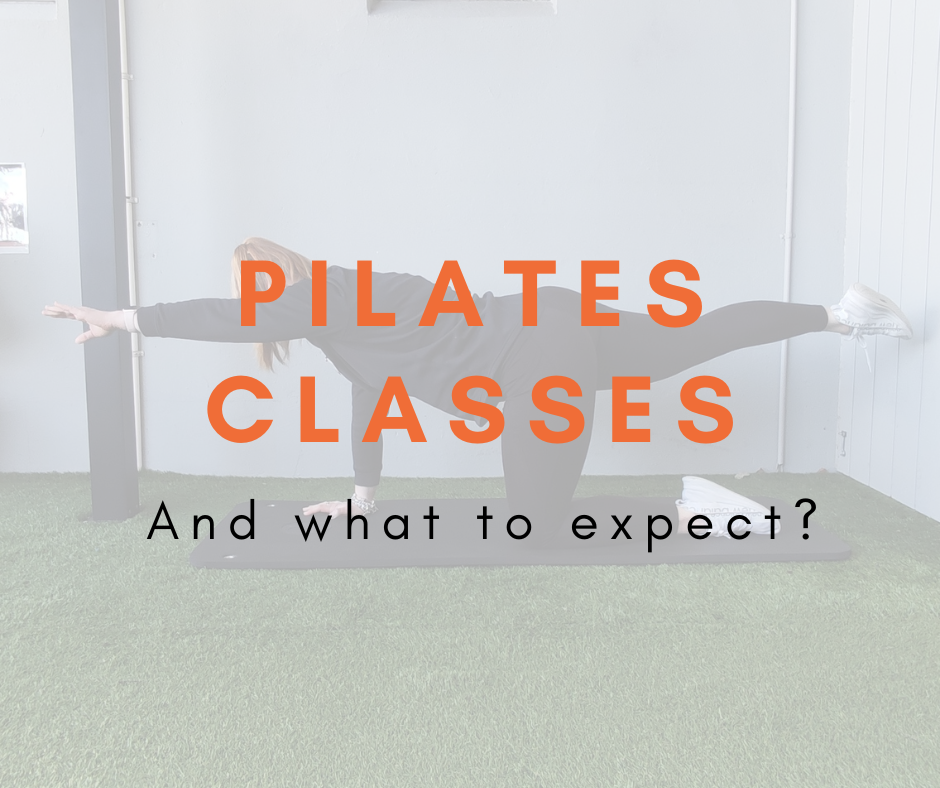
Pilates Classes
ABOUT PILATES
Pilates is a low-impact form of exercise created by German-born Joseph Pilates when he moved to the USA in the 1920’s.
It is designed to strengthen and develop endurance and flexibility in the body and improve posture and alignment
WHAT TO EXPECT DURING A CLASS
- A general class will have focus in areas of core muscles, breathing, alignment and posture and flexibility/stretching. At times, mobility and releases will be included also.
- Exercises are typically done on a mat, if not, a machine called a reformer, ours at Bureta Physio are all mat-based.
- While you may feel like the class is slower paced and you leave feeling calm and relaxed, new participants usually experience a worked, burning sensation during the exercises, then muscle soreness following as often new muscles are utilised.
- A range of equipment can be used within the class such as bands, balls, rings, light weights. All of this will be provided, as well as a mat to work on, unless you prefer to use your own.
- There is a large focus on breathing and pairing your movement with your breath - it can feel strange and challenging to begin but becomes easier with practice.
- Slow-paced is the name of the game - slow = controlled which builds endurance/tolerance in the body, so movements should be slowed down and performed with intention and focus to be most beneficial.
- In terms of dress, you are best to wear form fitting clothing that you comfortably move in, hair tied up, and socks. You don't need footwear.
- No matter where you sit in terms of your experience with Pilates, there are always ways to progress or regress depending on what is needed to challenge you - your instructor will modify exercises and give you options to try based at your level.
If you wish to try out our Pilates classes call 07 576 1860 or Book Online here.
We look forward to having you with us!
We look forward to having you with us!
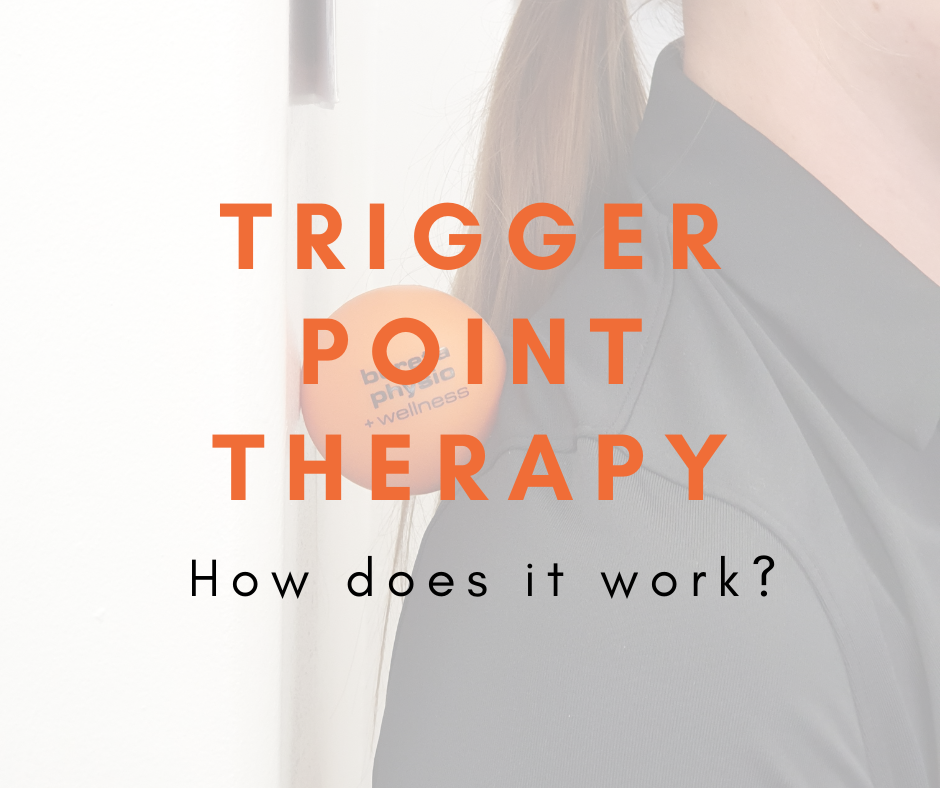
Trigger Point Therapy
HOW DOES TRIGGER POINT THERAPY WORK?
Trigger points are those little areas in your muscles that hurt or feel tender if you push on them. They might feel bumpy or be described as a “knot”. Areas of the body where these trigger points are often found include the neck and shoulders, upper back, hips and buttocks, calves and feet.
Some people use trigger point therapy as one type of deep tissue massage for health issues. These could include headaches and migraines, or sciatica.
There are different ways to use trigger point therapy. Usually, you will be applying pressure on or over myofascial trigger points in the muscle using a specific tool. There are differing views in the industry regarding whether you hold your position once you find a trigger point, or whether you move over it to work into it.
Some practitioners use dry needling to treat trigger points.
THE POTENTIAL BENEFITS OF TRIGGER POINT THERAPY EXERCISES
- Self-massage combined with appropriate exercise can help you to manage muscle pain and tightness
- Improve blood flow and circulation
- Improve flexibility by increasing the range of motion of a particular muscle or group of muscles
- Release lifestyle-related muscle tightness. This could include the type of muscle tightness you might get from poor posture or from sitting for long periods. Stress-related muscle tightness also fits into this category. If you get lower back discomfort that persists despite exercise and self management contact us for a full assessment
- Trigger point therapy can be completed as a standalone self treatment or pre or post workouts for preparation and recovery
HOW TO USE MASSAGE BALL ON NECK
Lie down on your back, with your knees bent and feet on the floor, like you are about to perform stomach crunches. Place the trigger point handheld massage ball just below the base of your skull slightly to the side of the centre of your neck. With your fingers you should be able to feel the tightness in these muscles as you run them directly at the bottom of your skull.
HOW TO USE A TRIGGER POINT BALL ON YOUR UPPER SHOULDERS
This one is also known as the rugby scrum technique. Find a wall corner, or work with a partner. Bend forward at your hips, and put the ball on top of the shoulder, right by your neck. Apply pressure by pushing into the wall or your partner’s hand and move gently from side to side. Flex your neck to the other side to increase the stretch.
HOW TO USE MASSAGE ROLLER BALL FOR YOUR SHOULDER TENDONS
The tendon attachments for your shoulder muscles can get very sore. These can be really effective for releasing shoulder tension. Put the ball at the back, lower part of the shoulder. This is where the tendons attach, and it’s very close to your armpit. Move around to hit the spot, and you can also try pulling your arm across your body, as you would with a shoulder stretch.
You can also perform these movements whilst lying down on your side with the trigger point massage ball in the same position. Lying down with your body weight on the ball adds a lot more pressure to the trigger point, so it should be considered as a more advanced progression to doing this while standing against a wall.
HOW TO USE A TRIGGER POINT BALL FOR YOUR CHEST MUSCLES
Chest muscles are often very tight…but you might not know it. Many people feel pain and tenderness across the back of their shoulders. However, the reason for this pain could be tight chest muscles, especially if you spend a fair amount of time hunched forward at your desk or in your car.
So, give them a go, and you may just find that they’re more effective than digging into those shoulder muscles. Again, this is a case of symptoms versus cause.
Face into the wall, with your arm by your side, and roll the ball around to hit the spot. You can also do this on the floor and extend your arm out in front of you for a more aggressive version. As I mentioned with the previous exercise, the added weight whilst lying down will add extra intensity.
SPIKY MASSAGE BALL MUSCLE RELEASE FOR YOUR BUTTOCKS AND HIPS
How do you release trigger points in the buttocks and hips? This is one of our favourites to help relieve tension in the hips and lower back. Place the ball under one butt cheek and move side to side. You can start with both legs bent and the feet on the floor.
When you’re ready to add extra pressure, cross one leg over the other. The ball should be under the butt cheek of the leg that is crossed over the top. The most tender part might be towards the outside of the butt (closer to the hip) so you may need to move around a bit to find the points you want to release. You can also try this with both knees bent up and then dropping your targeted knee out towards the ground and returning it to the starting position.
HOW TO USE A TRIGGER POINT BALL ON YOUR CALF MUSCLE
This one is great for runners and hill walkers. Place the ball under calf muscle whilst in a seated position and apply as much pressure as is needed. Moved forward, backward, and side to side as needed. If you want to add extra intensity, lift your weight off your buttocks as you move over the ball. You can also try bringing your foot and toes up towards your head and then dropping them back to a relaxed position or circling your ankles in each direction.
HOW TO USE A TRIGGER POINT BALL FOR TIRED, ACHY FEET
This one is great for tired feet. You can even do it whilst sitting at your desk! Take your shoes (and socks if it won’t offend anyone) off and place ball under the arch of the foot. Move around as required. Be intentional with your movement and allow a little time to work through the layers and reach tender spots. You may even like to try scrunching and un-scrunching your toes.
You can also do this one in a standing position, starting with your heel on the ground and the ball under the “ball” of your foot. From there move side to side and gradually work your way further back on the foot, working through any tender spots.
If you need help with any of the above exercises or you would like your own personalised trigger point programme, call reception on 07 576 1860 or email reception@buretaphysio.co.nz.

Do you suffer from Hip Pain?
Don’t let lateral hip pain ruin your quality of life – Act now!!
Lateral hip pain is a common complaint in females over 40 years of age being present in one in four women aged over 50 years. It can occur in males and in younger females, but this is far less common. There are a number of causes of lateral hip pain including referral from the low back and hip joint in addition to acute tears in the gluteal muscle or tendon but the most frequent cause is gluteal tendinopathy. This is commonly associated with trochanteric bursitis which is far more commonly diagnosed. Trochanteric bursitis and gluteal tendon tears are part of the tendinopathy process rather than stand-alone injuries. This disorder presents as pain and tenderness over the greater trochanter (outside of your hip) and often interferes with sleep and physical function. It has been shown to have the same level of disability and quality of life to that of severe hip osteoarthritis which can be hugely limiting. Activity level is often reduced because of pain and in this age group additional complications from this can result in weight gain causing further lower limb joint loading and loss of quality of life.
Gluteal tendinopathy is the most common tendon injury to present to GP’s (general practitioners) for assessment. You may be referred for physiotherapy, given anti-inflammatories, sent for an x-ray and ultrasound, referred for a cortisone or given advice regarding a reduction in physical activity whilst painful. What we know from research completed in 2018 is that the most effective treatment for gluteal tendinopathy is education and an exercise programme.
Corticosteroid injections into the trochanteric bursa are commonly used to manage gluteal tendinopathy. They have been shown in research to have significant benefits from a short term pain relief perspective although long term outcomes are no better than a wait and see approach. Where they are most effective is the patient who is unable to complete an appropriate exercise programme due to their pain levels. The cortisone injection allows a “window of opportunity” – a period of reduced pain that ensures the patient is able to complete an appropriate rehabilitation programme. The aim is that by the time the effect of the cortisone wears off they are making progress in their strengthening regime and pain is therefore reduced.
The approach to managing other tendinopathies throughout the lower limb combines education to reduce load on the tendon during sustained postures and function (that is, load management) with exercises that target impairments present. The LEAP trial was performed to assess if this method was the most appropriate treatment pathway in gluteal tendinopathy. Results confirmed that at both 8 and 52 weeks exercise and education was far superior in treatment effects than any other treatment modality including cortisone and a wait and see approach. It is great to see research supporting our treatment philosophies but what does this mean for you?
- It is unlikely that if you are suffering from gluteal tendinopathy that your pain will go away or improve by itself
- Cortisones are a short term fix for those they provide benefit in and caution must be taken prior to considering a cortisone in the tendon itself due to increased risk of tendon rupture
- Education is an essential element of the treatment programme. Learning about load management, the postures that aggravate your tendon, alterations to sleeping positions, in addition to gait re-education so you can continue to exercise in a modified capacity as required without significant aggravation of your pain. These strategies help give you autonomy and control over your day/week so that you are able to self-manage the largest proportion of your symptoms
- Building capacity from a strength perspective is essential. We know that as females over the age of 40 years our muscle mass declines and yet this is the age group where cardiovascular exercise is most commonly undertaken without any additional weight training. Tendinopathy occurs when the load exceeds the capacity and it is essential from a rehabilitation perspective that this capacity is improved. Building strength and movement control in and around the hip and pelvis is the cornerstone of treatment for gluteal tendinopathy. This incorporates a programme designed specifically for you to address these impairments, regularly monitored and progressed as appropriate.
At Bureta Physiotherapy we are fortunate to have the latest technology in the AxIT system https://www.strengthbynumbers.com. This allows us to accurately assess your strength and design a programme incorporating strength, control and balance in order to help you achieve the best results. It also allows us to ensure you maintain on track as we retest measurements throughout your rehabilitation journey to ensure you are achieving your goals. This helps ensure motivation and compliance to exercise programmes is high which can be a challenge otherwise in chronic conditions such as gluteal tendinopathy.
Don’t put up with lateral hip pain thinking it will eventually go away. Don’t let it disrupt your sleep and affect your ability to live an active healthy life. If you or someone you know is struggling with lateral hip pain call us now and get started on returning to the life you want to live!
Enhancing Performance
Physical preparation:
Why is this important?
- Training for more than 80% of your scheduled training time increases the ability for you to reach your performance goals.
- Physical preparation provides an opportunity to bulletproof athletes through key work-on’s and the ability to identify areas that will help to reduce injury risk.
What is physical preparation?
- Physical preparation is preparing you through training prior to competition by incorporating generic and individualised programming into your routine such as warm up or pre gym activation that influences injury risk and the burden to the athlete due to injury.
Recovery:
Why is it important?
- Good recovery ensures athletes are physically, physiologically and psychologically prepared for all training sessions and competitions.
What is recovery?
Recovery incorporates many different components including;
SLEEP – Studies have shown athletes are likely to have reduced or poor quality sleep due to training schedules. Both sleep quality and quantity impact upon performance. For tips on sleep hygiene have a read of our sleep hygiene blog here.
NUTRITION – Eating the right food at the right time consistently.
Recovery is AWESOME!
Active recovery: After games and trainings, do a low intensity warm down e.g. low intensity swim for 15mins.
Water/fluids: Remember to hydrate.
Eat: The right food at the right time. Refer to a nutrition plan from a performance nutritionist.
Skins/compression: Post competition, you can wear for up to 15 hours following.
Overnight/sleep: Sleep as much as you can! Extending sleep has been shown to positively impact performance. See our blog on sleep hygiene for a better night sleep.
Massage + option of ice baths post competition: Ice baths should be 2 x 5mins with 2 min break in between.
Exercise: Training block within competition season including our physical preparation!
There are many ways simple exercises can be incorporated into your current training program to reduce the risk factors associated with each individuals chosen sport.
If you are wanting to learn more about ways to enhance your performance please get in touch with us via email reception@buretaphysio.co.nz or call 07 576 1860.
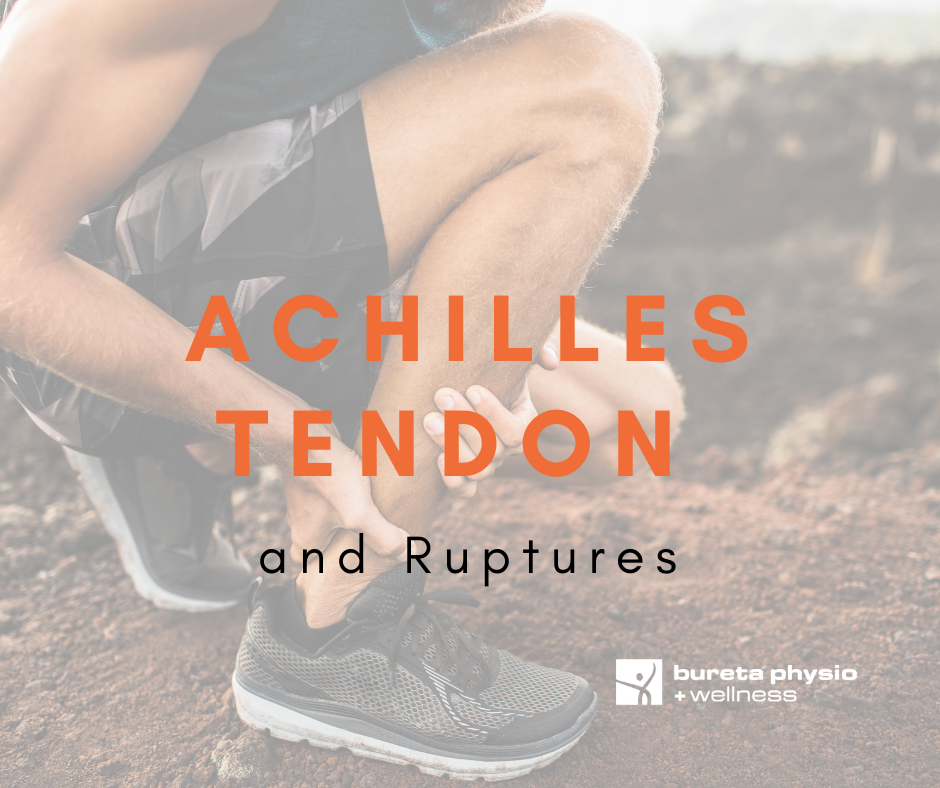
Achilles Tendon & Ruptures
I have seen a few Achilles Tendon (AT) ruptures over the last few months, so I decided to write a blog about this injury. I hope it guides patients that have experienced this type of injury and explains how to reduce the risk of recurrence or reinjury if you have already suffered from an Achilles rupture.
Those that have experienced a rupture can confirm it is a long recovery process that can range anywhere between 6-12 months post rupture. The most common mechanism of injury in both the sporting and non-sporting environments are eccentric contraction of the calf muscle group (calf is on stretch as the heel hits the ground) and when the trunk of a person's body is opposite to the direction in which the person's foot is planted, e.g. when they change direction suddenly.
The Achilles tendon anatomy and Risks for Achilles rupture
A: Muscle tendon Junction (MDT): where the calf attaches to the tendon
B: Mid portion (the middle part of the tendon)
C: Insertional (part of the tendon that inserts onto the heel bone)
Achilles Tendon (AT) ruptures commonly occur in the active individual with underlying Achilles tendinopathy that they were unaware of (2/3 of people had no experience of pain prior to the rupture). Patients will commonly report they heard or felt a pop at the ankle when ruptured but this symptom is not always reported. Many described this as "feeling as though they were shot from behind". This is most commonly pain free at the time of the incident. Those that do experience pain during or after the rupture, will commonly report pain starting at the ankle acutely and then migrating towards the calf over the next few days. Patients will usually complain of weakness and an inability to stand, walk, or run on their foot as they could prior to the rupture.
Males are more prone to AT ruptures and unfortunately, we do not know why however, females with an absent menstrual cycle, on hormone replacement therapy (HRT) and over 40 are also at a greater risk.
Higher risk individuals to AT rupture also include people within the age group of 30- 40 and 60-75 years old. Other factors that predispose you to tendon injuries are those that are:
- Taking regular medication - steroids, quinolone, or HRT (hormone replacement therapy)
- Genetic factors
- History of a previous rupture (this is the largest risk factor)
- Previous cortisone injection into a tendon for pain relief! Please DON'™T DO THIS EVER! Cortisone has been shown to weaken a tendon!
Most tendon ruptures occur at the mid-portion of the Achilles and this is usually due to existing tendon degeneration however, this can occur in individuals with NO tendon pathology too. As mentioned before, this is usually the group that does not have pain with their tendon prior to rupture as most people that suffer from tendinopathy pain seek treatment and therefore begin rehabilitation that builds strength and capacity in their calf and Achilles complex and therefore their risk of rupture is reduced. So remember if you are someone who is struggling with Achilles tendon pain that has been persisting for a short or long period of time ensure you seek an assessment of this from someone who is experienced in tendinopathy pain so that you can get this on the right track. It is important you do this rather than being afraid your tendon may rupture as that is extremely unlikely in your case.
It is less common that a healthy tendon will rupture unless it has been exposed to a significant external force in which case rupture at the MDT portion of the Achilles will occur.
Management of AT ruptures
These can be managed conservatively or surgically but in New Zealand, the majority of these injuries are treated conservatively. This, at times, differs in the elite athlete population but research shows us that after 18 months post rupture the outcomes of surgical vs conservative care are largely the same. The conservatively managed population has a slightly higher risk of re rupture and the surgically managed group has a higher incidence of infection, but overall results are relatively even, and good function regained. Other things that may be taken into account when considering surgical vs conservative management are whether the injury is acute (5 days) or chronic (3-6weeks); the size and location of the tear, and the Orthopaedic surgeon's availability and assessment of the individual.
Overall, there is little difference in recovery and return to play with the 2 approaches. The main difference is that with operative management, the person may regain functional use of the foot a few weeks earlier than conservative BUT with all approaches, there are risks and benefits for each. As a physiotherapist, I would always encourage my patients to consider a conservative approach.
The most important contributing factor determining the success to a full return to function is the quality of the REHABILITATION post rupture.
Both surgical and conservative approaches protocols include;
A: Immobilisation in serial casting in a plantarflexed position (pointed foot position) for (2-3 weeks) whilst using crutches to avoid putting weight through the tendon.
B: At 3 weeks they are put in a moon boot with wedges keeping the foot into a pointed position and 1 wedge is removed on a weekly basis until the patients' foot is in a neutral (flat foot) position. The Doctor will advise on when gradual weight bearing can occur.
C: Ideally from around 6 weeks the patient will be able to gradually start weight bearing and commence light exercise (guided by Doctor and Physio).
D: At 10 weeks post rupture, the patient is usually allowed to remove the boot and walk, gradually increasing walking time and distance.
The important thing during this initial phase of recovery is that we allow the tendon to heal properly and develop sufficient stiffness! A long Achilles repair leads to less function as the final outcome.
The immobilisation period is important as it bridges the gap of the Achilles and promotes the tendon healing in a shortened rather than lengthened position. A tendon that heals in a lengthened position is less likely to be able to develop appropriate strength and force which leads to a less than satisfactory outcome including a greater likelihood of re-rupture.
Rehabilitation post rupture
As a physiotherapist, we want to ensure that we regain ankle and forefoot mobility, regain and optimise your calf and foot endurance, strength and proprioception of BOTH legs.
We also aim to achieve proximal strength through your hips, core and the remainder of your lower limb as this will facilitate recovery and a greater overall outcome.
We will guide you through sport specific training and return to play programmes to reduce the risk of re-rupture and ensure not only a return to play but more importantly over time a return to performance.
I always advise my patients to start physiotherapy ASAP as there is a lot we can do to help facilitate recovery without affecting the injured area. When you are out of the serial casting and put in the moon boot, we will then start with hands on treatment to regain ankle and foot mobility whilst protecting the AT.
It is comforting to know that 80% f people return to full sporting activities following a rupture and that the Achilles tendon can tolerate the force being put on it! With each running step the AT has a load of 6 X bodyweight put on it!
With appropriate rehab, you can feel confident and enjoy a return to sport without being afraid to re-rupture, provided you have done your homework.
If you have any questions or concerns regarding any Achilles pain you are having or have had, please contact us to talk to a qualified Physiotherapist
Written by Dunia Mouneimne Senior Physiotherapist
